The maison
Cloth that remembers the hand.
Vivace Pashmina is a small house built around one material, one palette and the belief that fewer, better things are enough.
Our beginning
A study in less.
The house began with a simple observation: the pieces we kept coming back to were never the loudest. They were the ones that felt like a second skin — light, warm and quietly made.
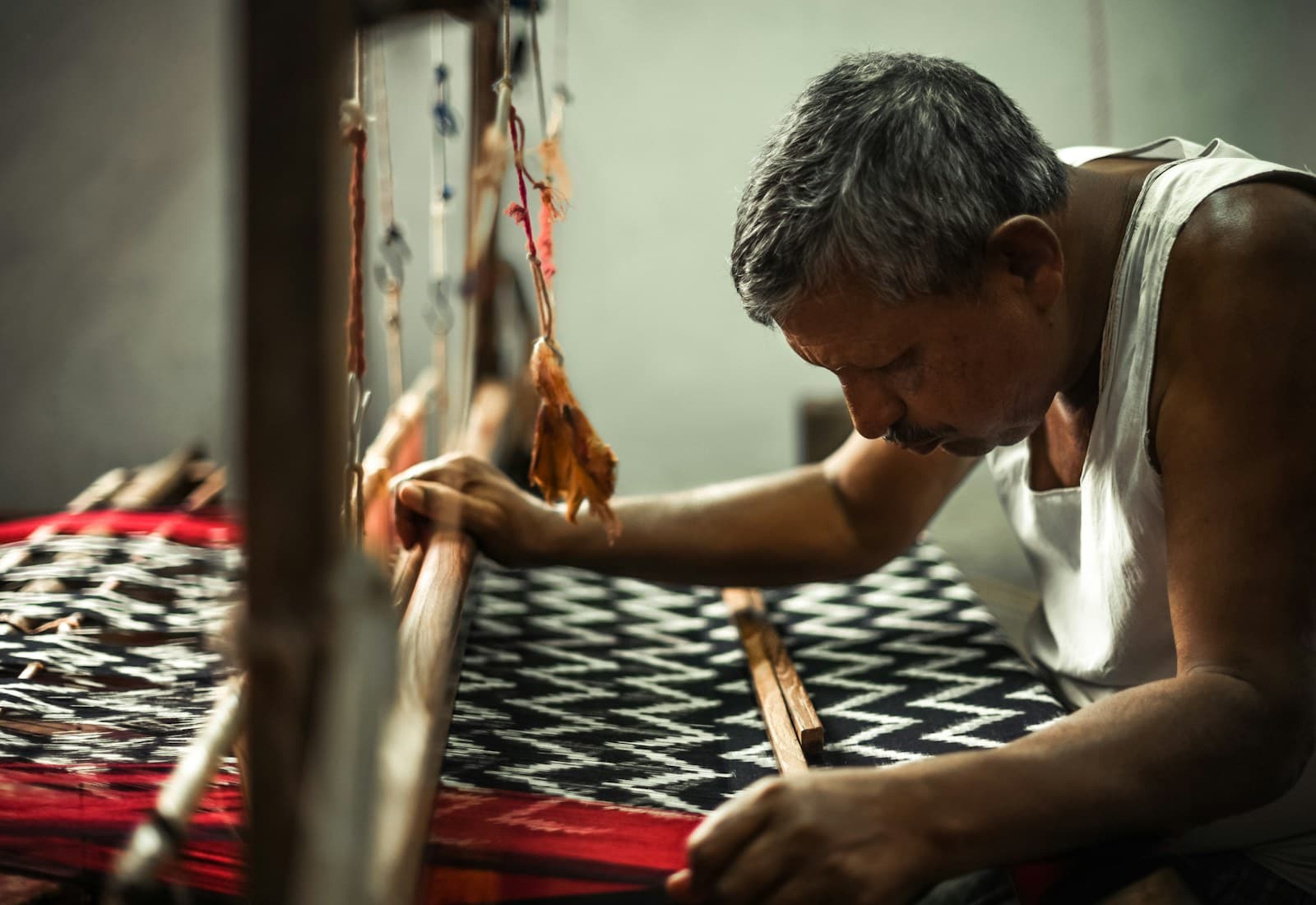
We chose pashmina because it asks for patience. The fibre is fine, the loom is slow, and the finished cloth carries the small irregularities of a human hand. Rather than smooth those away, we let them be.
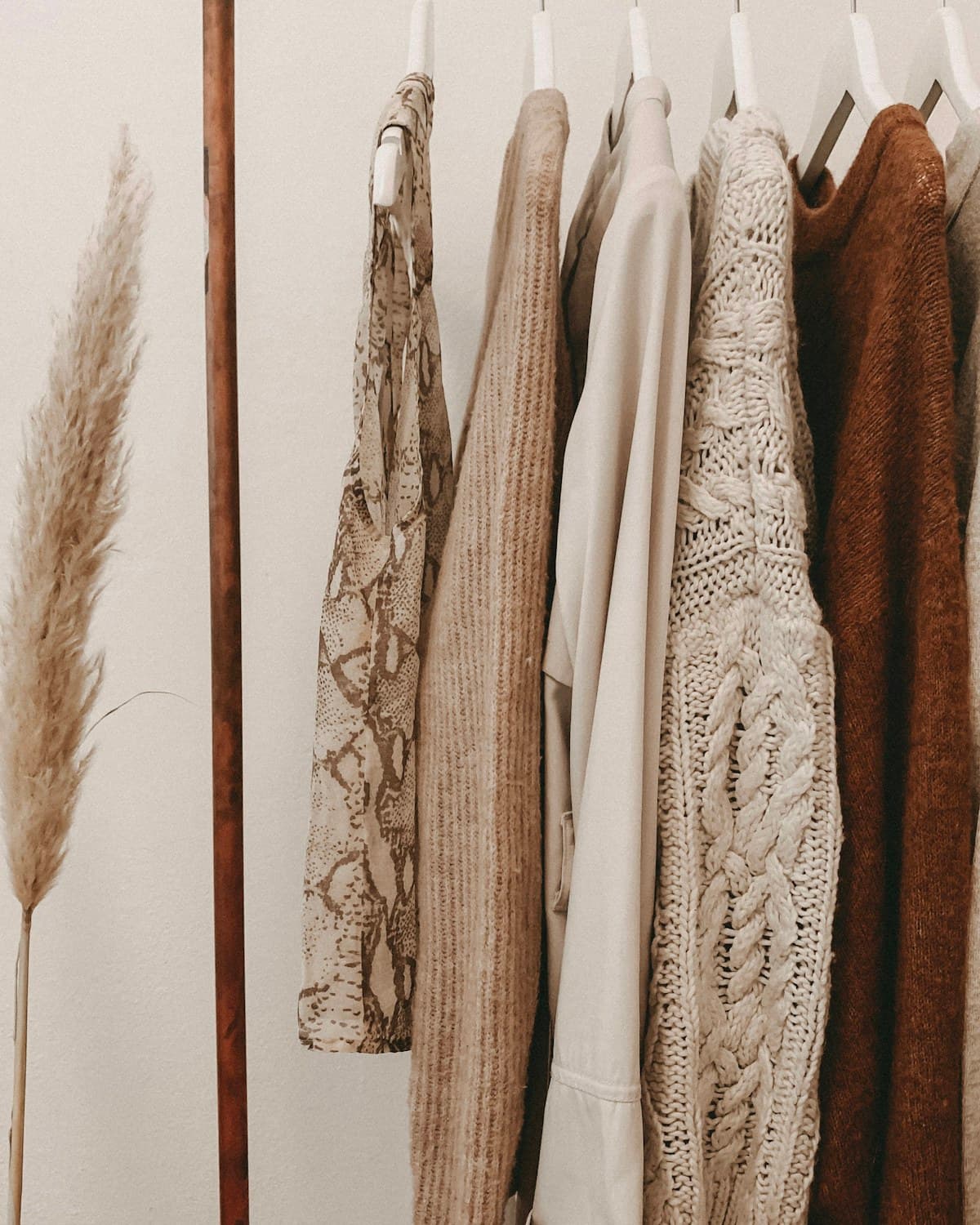
Our palette is drawn from stone, sand, undyed ivory and the deep brown of walnut. It does not change with the season so much as deepen.
The way we work
Small runs, long relationships.
We work with a small group of weaving families, paying for the cloth rather than the hour. Runs are deliberately short: a colour is made, allowed to rest and then revisited only when the fibre is right.
Nothing is rushed to a calendar. If a piece is not ready, we wait. The alternative — a thinner cloth, a hurried edge — is not worth making.
A house rule
“Make less. Make it properly. Let the cloth speak quietly.”
The atelier
The craft
Four slow movements.
From loose fibre to a finished edge, every stage is done by hand. These are the four movements that shape a Vivace piece.
01
Fibre
Fine pashmina is sorted by hand for length and softness. Only the longest, most even fibres reach the loom.
02
Spinning
The fibre is spun slowly into a fine, even yarn. Slowness is not a romance here; it is what gives the cloth its lightness.
03
Weaving
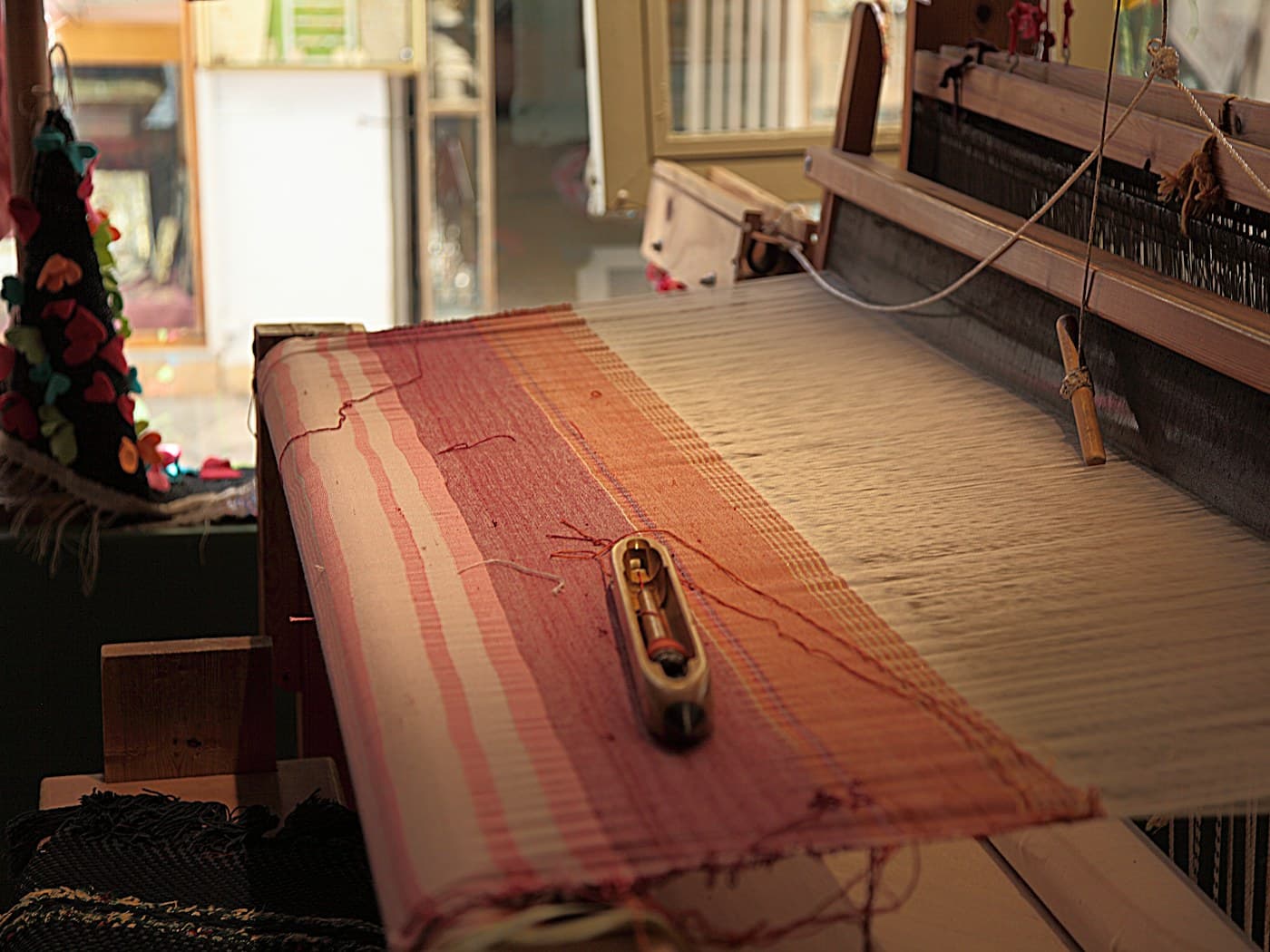
Wooden handlooms produce narrow lengths at a pace set by the weaver. A single wrap can take days.
04
Finishing
Edges are rolled and stitched by hand, fringes knotted, and the piece pressed once. Then it rests before it travels.

The fibre
Warmth, without weight.
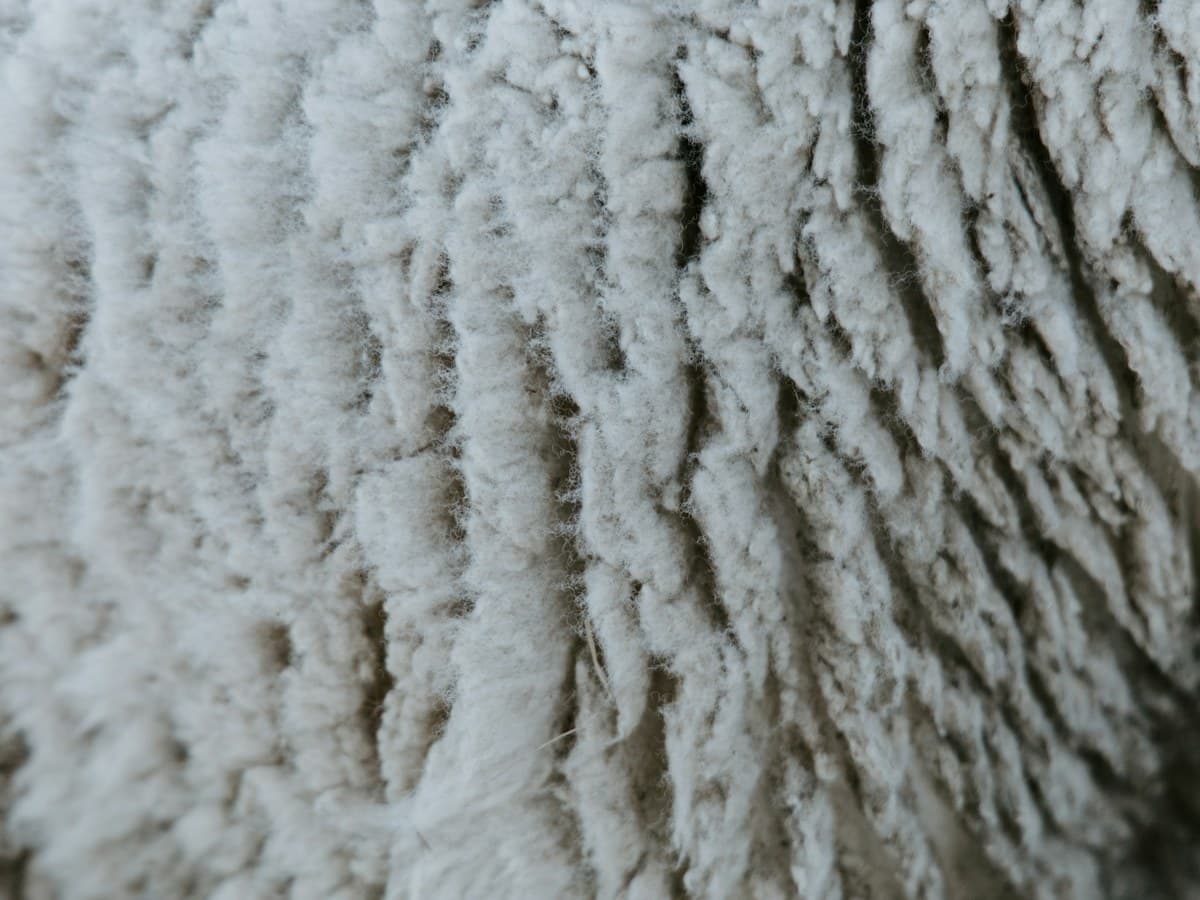
Pashmina is one of the finest fibres in the world: soft, insulating and remarkably light. A wrap can be folded into the space of a notebook and still hold warmth on a cold evening.
We use only fine, long-staple fibre. It takes longer to spin, but it pills less and grows softer with wear. Natural variation in tone and texture is part of the material, not a flaw.
Visit the collection